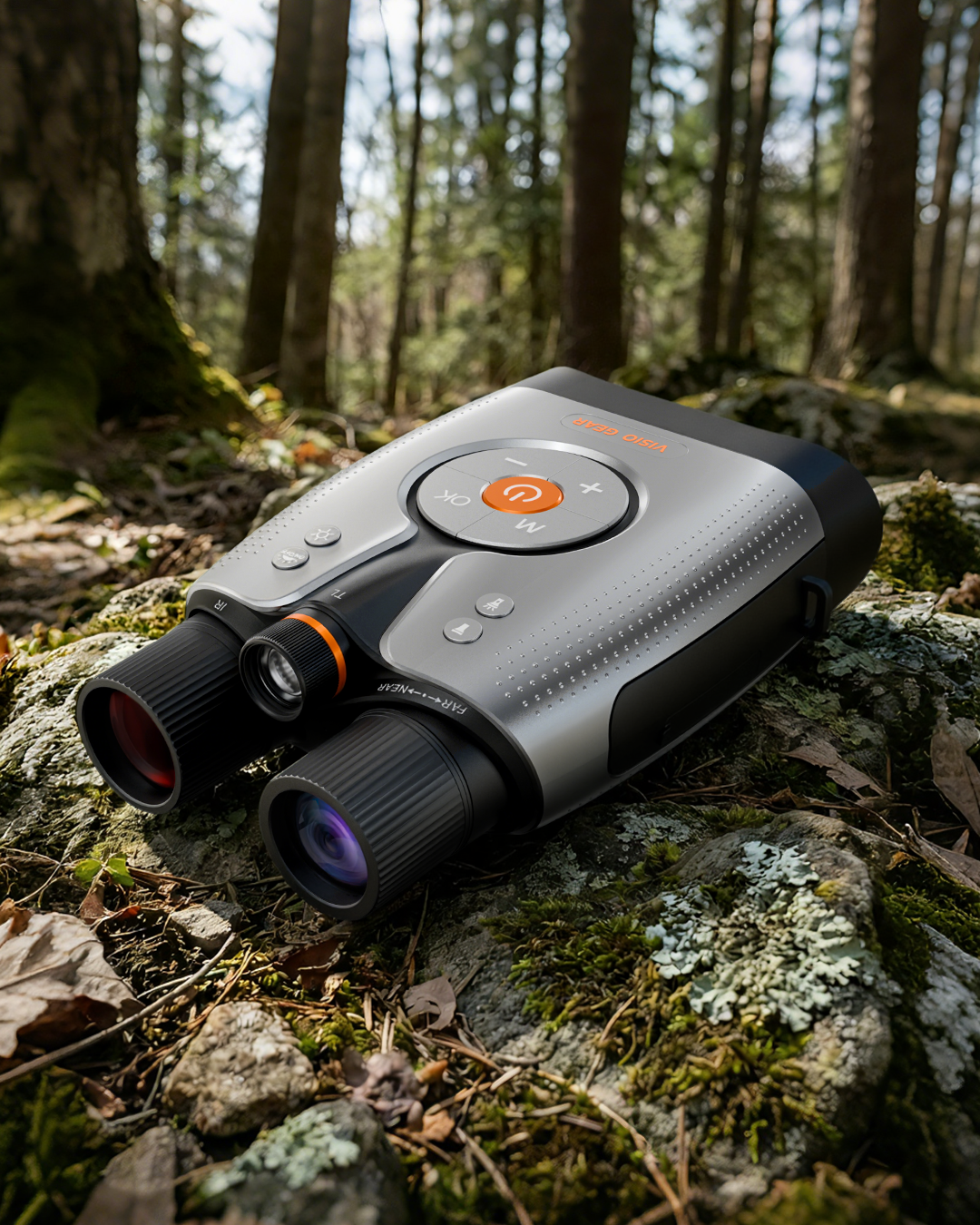
Getting Started with Night Vision: A Beginner’s Guide
New to night vision? Learn how night vision devices work, what features matter, and how to choose the right gear for your outdoor adventures.
Night vision opens up a whole new world after sunset. From observing wildlife in your backyard to exploring campsites after dark, the right night vision device helps you see details that would otherwise be difficult to spot.
But if you're new to night vision, choosing your first device can feel overwhelming. What's the difference between digital night vision and thermal imaging? Do you need infrared illumination? And should you choose binoculars, a monocular, or head-mounted goggles?
This beginner-friendly guide walks you through the essentials so you can make a confident decision.
1. What Is Night Vision?
Night vision technology helps you observe your surroundings when natural light is limited.
Modern digital night vision devices use an image sensor to capture available light and process it into a visible image on a built-in display. Many also include infrared (IR) illumination, which allows the device to capture images in environments with little or no visible light.
Unlike traditional binoculars, digital night vision devices are designed to support observation after dark.
They can be useful for:
-
Wildlife Watching: Observe nocturnal animals and their natural behavior.
-
Camping: Explore your surroundings around a campsite after sunset.
-
Farm & Ranch: Check fields, fences, and livestock in low-light conditions.
-
Backyard Observation: Discover nighttime wildlife activity around your property.
-
Nighttime Exploration: Observe outdoor landscapes and surroundings in darkness.
2. How Does Digital Night Vision Work?
Digital night vision generally works through three components:
Image Sensor
The sensor captures available light from the environment. Sensor quality influences image clarity, detail, and low-light performance.
Infrared Illumination
When there isn't enough ambient light, an infrared illuminator can help the camera capture a visible image. The effectiveness of infrared illumination depends on the device, distance, conditions, and IR settings.
Digital Display
The captured image is processed and shown on an electronic screen, allowing you to observe the scene in real time.
Some advanced devices also support color-enhancement technology, helping produce more detailed color images under suitable low-light conditions.
Beginner Tip: Color night vision and infrared night vision are not the same. Color performance depends on available light and sensor capabilities, while infrared illumination can support observation in much darker environments.
3. Night Vision vs. Thermal Imaging: What's the Difference?
Although both technologies are used for nighttime observation, they work differently.
| Feature | Digital Night Vision | Thermal Imaging |
|---|---|---|
| Technology | Captures visible and/or infrared-reflected light | Detects thermal radiation |
| Image Detail | Can show textures, shapes, and environmental details | Highlights temperature differences |
| Complete Darkness | Requires suitable IR illumination when ambient light is insufficient | Can operate without visible light |
| Color Images | Available on supported devices under suitable conditions | Typically uses thermal color palettes |
| Common Uses | Wildlife observation, camping, outdoor exploration | Heat detection, inspection, wildlife detection |
If you want to observe recognizable visual details, such as an animal's appearance or the surrounding landscape, digital night vision may be a suitable choice.
If your main goal is detecting temperature differences, thermal imaging may be more appropriate.
4. What Features Should Beginners Look For?
You don't need to understand every technical specification to choose your first night vision device. Start with these six essential features.
Image Quality and Resolution
Resolution affects the amount of detail captured in photos and videos.
Look at both the recording resolution and the actual viewing experience. A device that records 4K video does not necessarily have a 4K display.
Sensor quality, image processing, lighting conditions, and optics all contribute to the final image.
Infrared Performance
Infrared illumination is especially important when observing areas with very little ambient light.
Consider the number of IR adjustment levels, usable observation distance, and how the device performs in real nighttime footage.
Viewing Range
Manufacturers may describe detection, observation, or identification distances.
These are not interchangeable. Detecting an object at a long distance does not mean you can clearly identify its details at that distance.
Choose a device based on the distances you realistically expect to observe.
Battery Life
Longer battery life can be helpful during camping trips, wildlife observation sessions, and extended outdoor use.
Remember that battery performance may vary depending on infrared usage, screen brightness, recording, and environmental conditions.
Comfort and Portability
Think about how you plan to use your device.
Handheld binoculars can be convenient for stationary observation, while head-mounted models may be better suited to situations where hands-free operation is important.
Weather Resistance
Outdoor conditions can change quickly.
If you plan to use night vision equipment around moisture, dust, or unpredictable weather, check the device's published protection rating and operating guidelines.
5. Which Type of Night Vision Device Is Right for You?
Different device styles suit different activities.
Night Vision Binoculars
Best for: Wildlife Watching, Camping, and General Outdoor Observation
Digital night vision binoculars offer a familiar handheld viewing experience.
They are a practical starting point for beginners who want to observe animals, explore outdoor environments, or record nighttime footage.
Night Vision Monoculars
Best for: Lightweight and Portable Observation
Monoculars use a single viewing channel and may offer a more compact design.
They can be useful when portability and simple handheld operation are priorities.
Head-Mounted Night Vision Goggles
Best for: Hands-Free Observation
Head-mounted models are designed for users who want to keep their hands available during nighttime activities.
When choosing this type of device, pay attention to mounting compatibility, comfort, weight distribution, and the intended viewing experience.
Important: Night vision equipment can support observation, but it does not eliminate environmental hazards or guarantee safe movement in darkness.
6. Find Your Night Vision Device with VisioGear
VisioGear offers different night vision devices for a range of outdoor observation needs.
Here are three models worth exploring.
Night Thunder X1 — Premium Low-Light Observation
The VisioGear X1 is designed for users who prioritize advanced imaging performance.
With its Sony STARVIS 2 sensor, True 4K recording capability, and AI Color+ technology, the X1 is positioned for detailed outdoor observation in challenging lighting conditions.
Consider X1 if: Image quality, advanced sensor technology, and premium nighttime observation are your priorities.
Night Thunder X3 — Versatile Night Vision Binoculars
The VisioGear X3 combines digital night vision features with a handheld binocular design.
With 4K video recording, AI Color Boost, adjustable infrared illumination, and digital zoom, it is an option for users interested in camping, wildlife watching, and general nighttime exploration.
Consider X3 if: You want a versatile handheld device for a variety of outdoor observation activities.
VisioGear H3 — Hands-Free Night Vision
The VisioGear H3 is a head-mounted night vision option designed for users who prefer a hands-free viewing setup.
Its head-mounted design offers a different experience from conventional handheld binoculars.
Consider H3 if: Hands-free observation and head-mounted use are important to your activities.
7. Tips for Your First Night Vision Experience
Getting comfortable with your device is just as important as choosing the right model.
Start in a Familiar Environment
Try your device in a backyard or another familiar outdoor location before taking it on a longer trip.
Adjust Your Settings
Experiment with infrared illumination, focus, brightness, and zoom to understand how each setting affects the image.
Begin with Nearby Subjects
Practice observing nearby objects before attempting longer-distance viewing.
Keep Your Optics Clean
Use appropriate lens-cleaning materials and follow the manufacturer's instructions.
Respect Wildlife and Privacy
Observe animals from a responsible distance. Avoid disturbing wildlife or using night vision equipment to invade anyone's privacy.
8. Frequently Asked Questions
Can night vision binoculars work in complete darkness?
Many digital night vision devices can operate in complete darkness using built-in infrared illumination. Actual performance depends on the device and environmental conditions.
Can I use digital night vision during the day?
Many digital night vision devices support daytime use. Always follow the manufacturer's instructions for your specific model.
Is 4K night vision better than 1080p?
4K recording can capture more pixels than 1080p, but overall image quality also depends on the sensor, optics, processing, and available light.
Do I need infrared illumination for night vision?
Infrared illumination can be helpful when ambient light is insufficient. In brighter low-light conditions, some devices can produce useful images without active IR illumination.
Which night vision device is best for beginners?
The best choice depends on your primary activity. Handheld binoculars are a practical starting point for many users, while head-mounted devices may be preferable when hands-free operation matters.
Can night vision devices record photos and videos?
Many digital night vision devices support photo and video recording. Check the specifications and storage requirements of the model you're considering.
9. Ready to Explore After Dark?
Choosing your first night vision device doesn't have to be complicated.
Start by identifying how you plan to use it, then compare the features that matter most: image quality, infrared performance, viewing comfort, battery life, and portability.
Whether you're observing wildlife, enjoying a camping trip, or exploring the outdoors after sunset, the right equipment can make nighttime observation more rewarding.
Discover the night with VisioGear.
Explore more night vision buying guides, product comparisons, and outdoor observation tips from VisioGear.