News And Guides
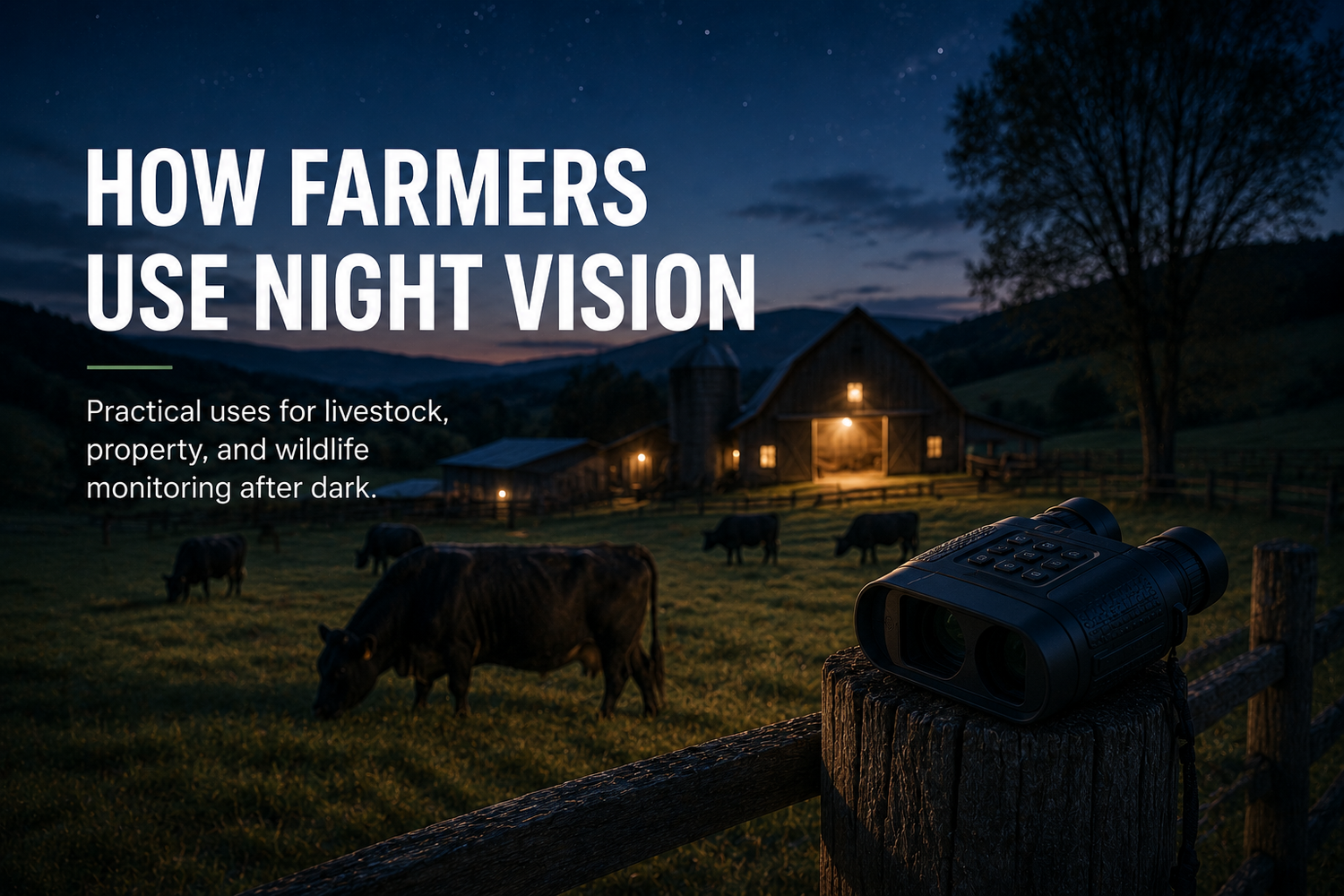
How Farmers Use Night Vision: Practical Uses for Livestock, Property, and Wildlife Monitoring
How Farmers Use Night Vision Farms rarely stop operating when the sun goes down. Livestock may remain active, wildlife can enter fields, gates may be left open, and unusual sounds...

How to Choose Night Vision Binoculars: A Complete Beginner’s Buying Guide
Choosing your first pair of night vision binoculars can feel confusing. Product pages often mention features such as 4K recording, infrared illumination, starlight sensors, digital zoom, viewing distance, and color...
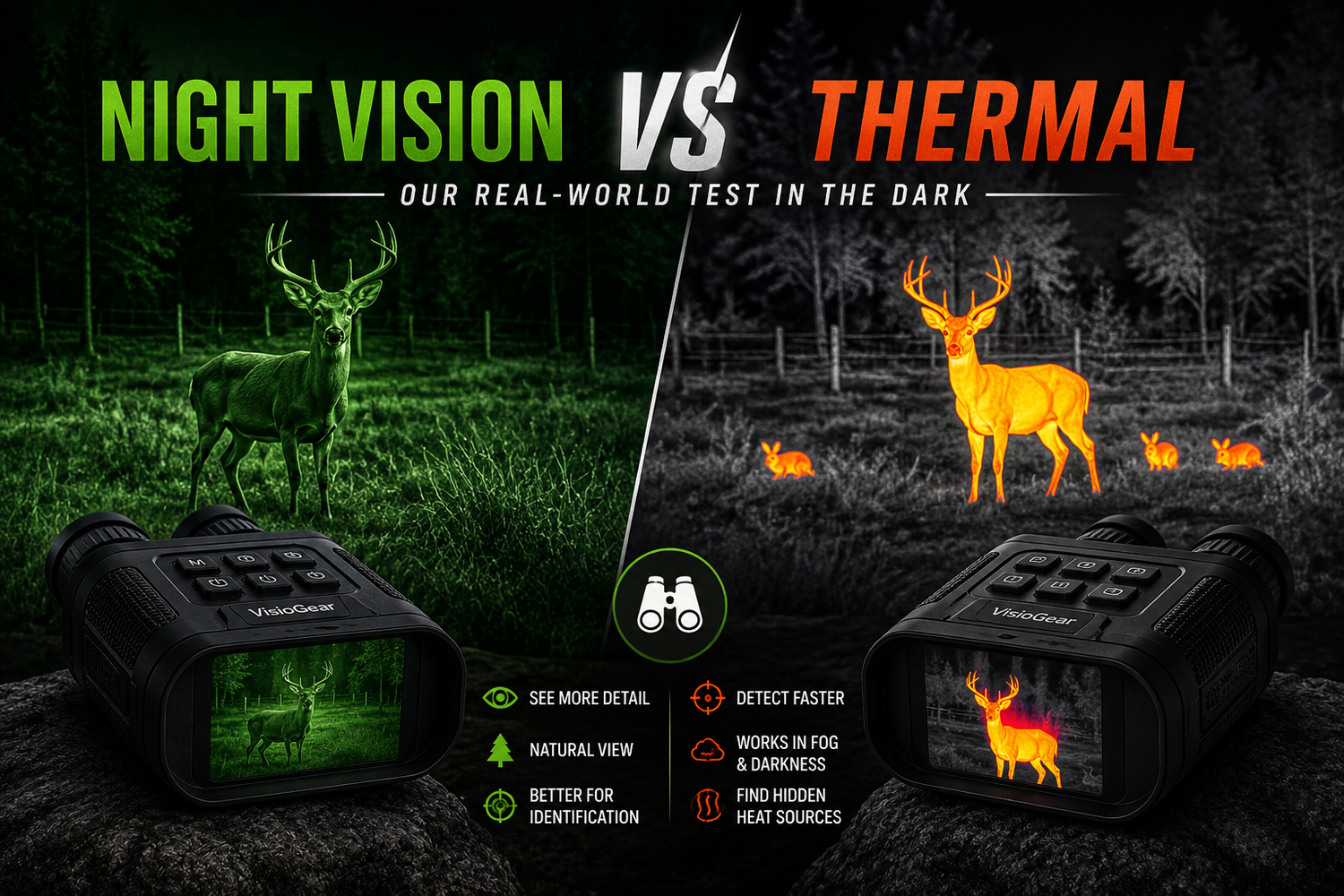
Night Vision vs Thermal: Our Real-World Test in the Dark
Whether you’re tracking wildlife in the woods with a thermal imager or watching over your campsite at midnight with night vision, the right tool makes all the difference. Over the...
How To Take Photos | Record Videos | Playback & Delete
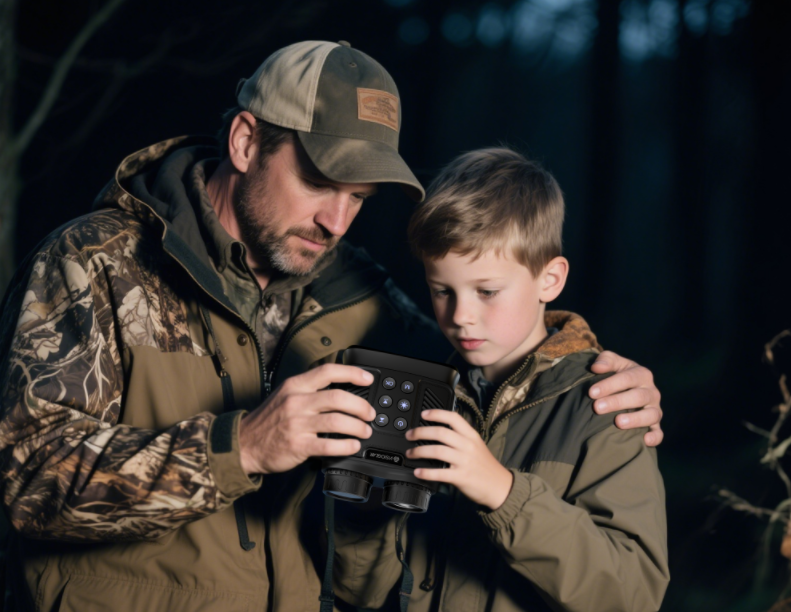
Your VisioGear night vision binoculars allows you to capture photos, record videos, and review your media directly on the device. Follow the simple steps below to switch between modes and...

How to Properly Focus Your VisioGear Device
If you have just unboxed your VisioGear night vision device and find the screen appears blurry, out of focus, or even like a "blank white wash," do not worry—your device...
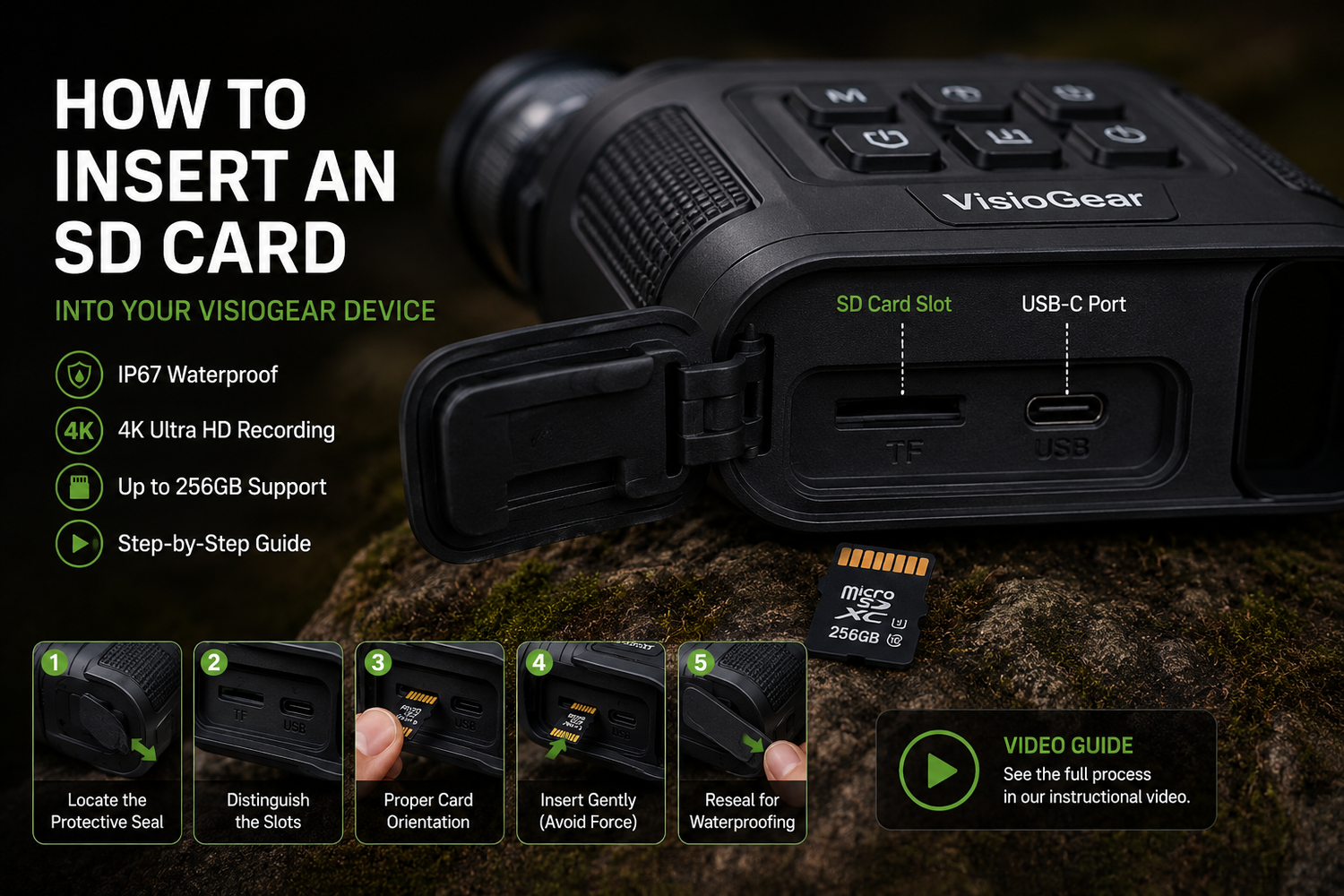
How to Insert an SD Card into Your VisioGear Device
To capture and store your high-definition 4K footage, a properly installed SD card is essential. Follow this technical guide to ensure your storage is set up correctly without damaging the...
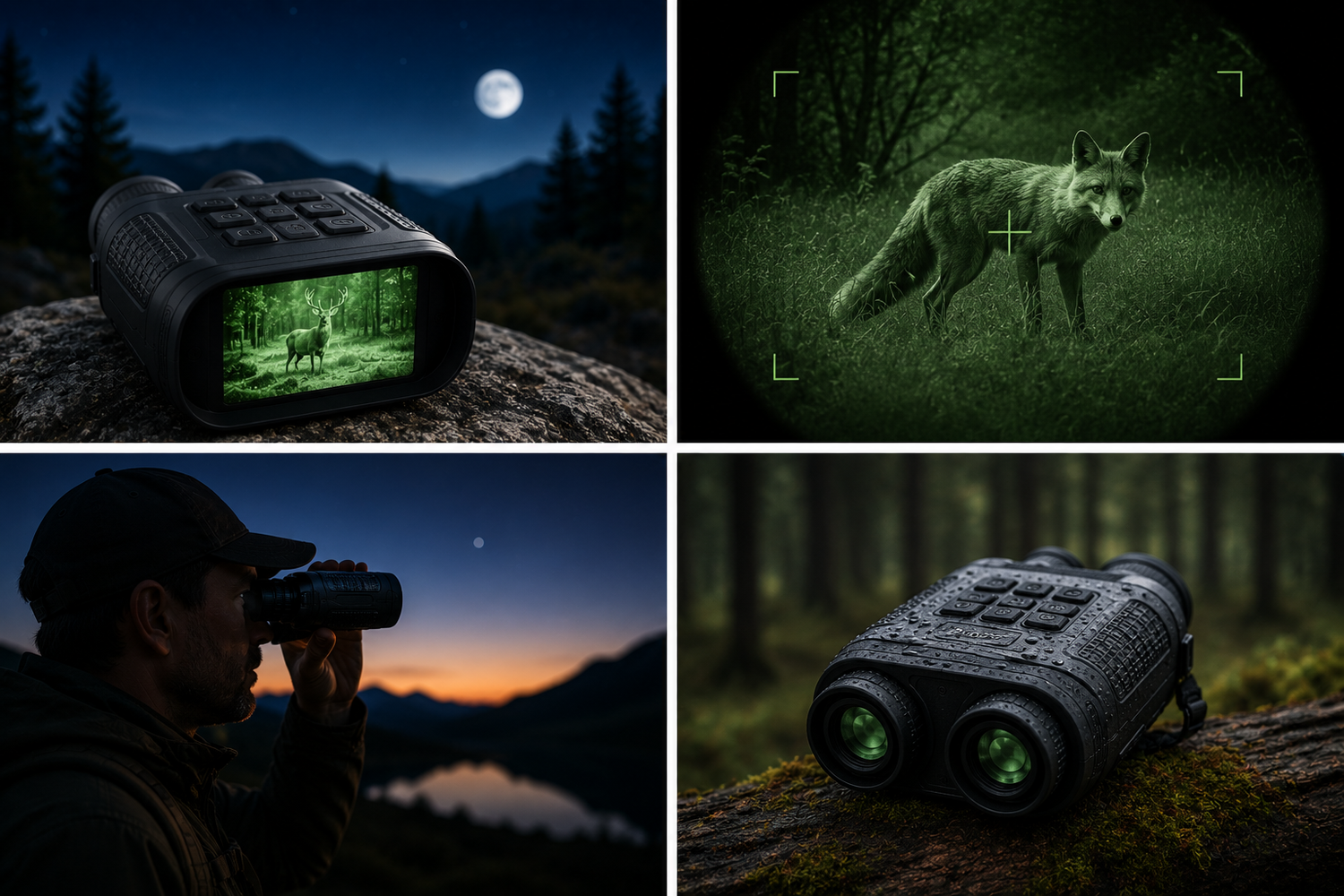
Digital Night Vision vs Gen 1/2/3 — What’s the Difference?
Abstract This article provides a technical comparison between traditional analog night vision (Gen 1, Gen 2, Gen 3 image intensifier systems) and modern digital CMOS-based night vision. As high-quantum-efficiency CMOS...
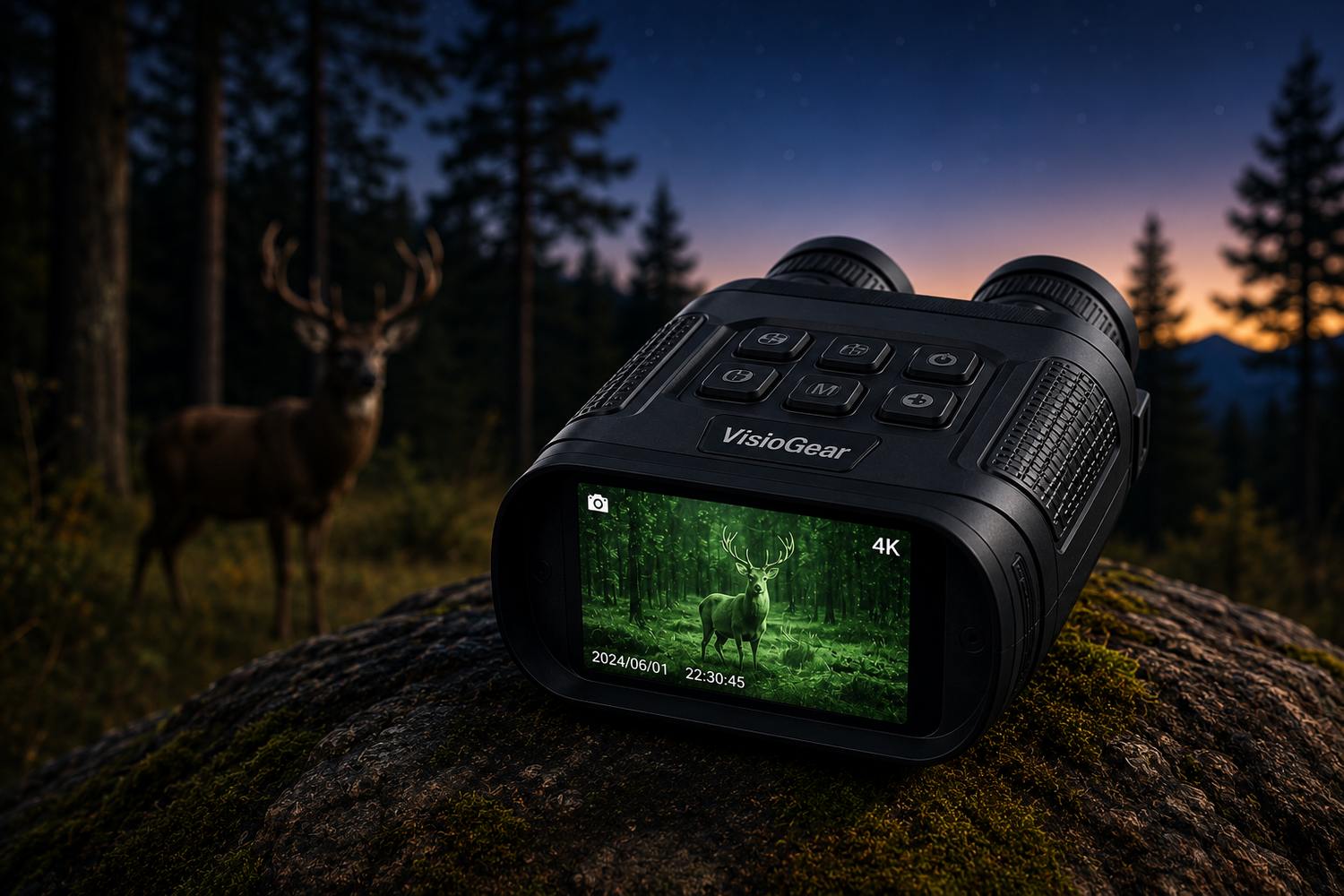
A Practical Guide to Digital Night Vision for Farms & Backyard Wildlife
A Quiet Way to Watch the Night The first time Mark used night vision on his property, it wasn’t for curiosity. It was because something kept moving near the chicken...